Insights
Articles
Our latest insights on AI, search and digital strategy.
Deep Dives
In-depth frameworks and analyses for strategy and growth.
Inspiration sessions
AI Search
How AI is changing the way customers find you.
Smart AI adoption
See what AI truly changes about how your team works.
Workshops & Training
Learn how to become visible in ChatGPT, Perplexity and the new search ecosystem.
Working Smarter with AI
Learn to use AI effectively: from context and instructions to agents and automations.
Agentic Engineering
Build working software, websites and apps with AI tools. No programming experience needed.
Discover all our insights on AI, knowledge work and digital transformation.
We only email you when we have something worth sharing.
Don't worry, we hate spam just as much as you do.
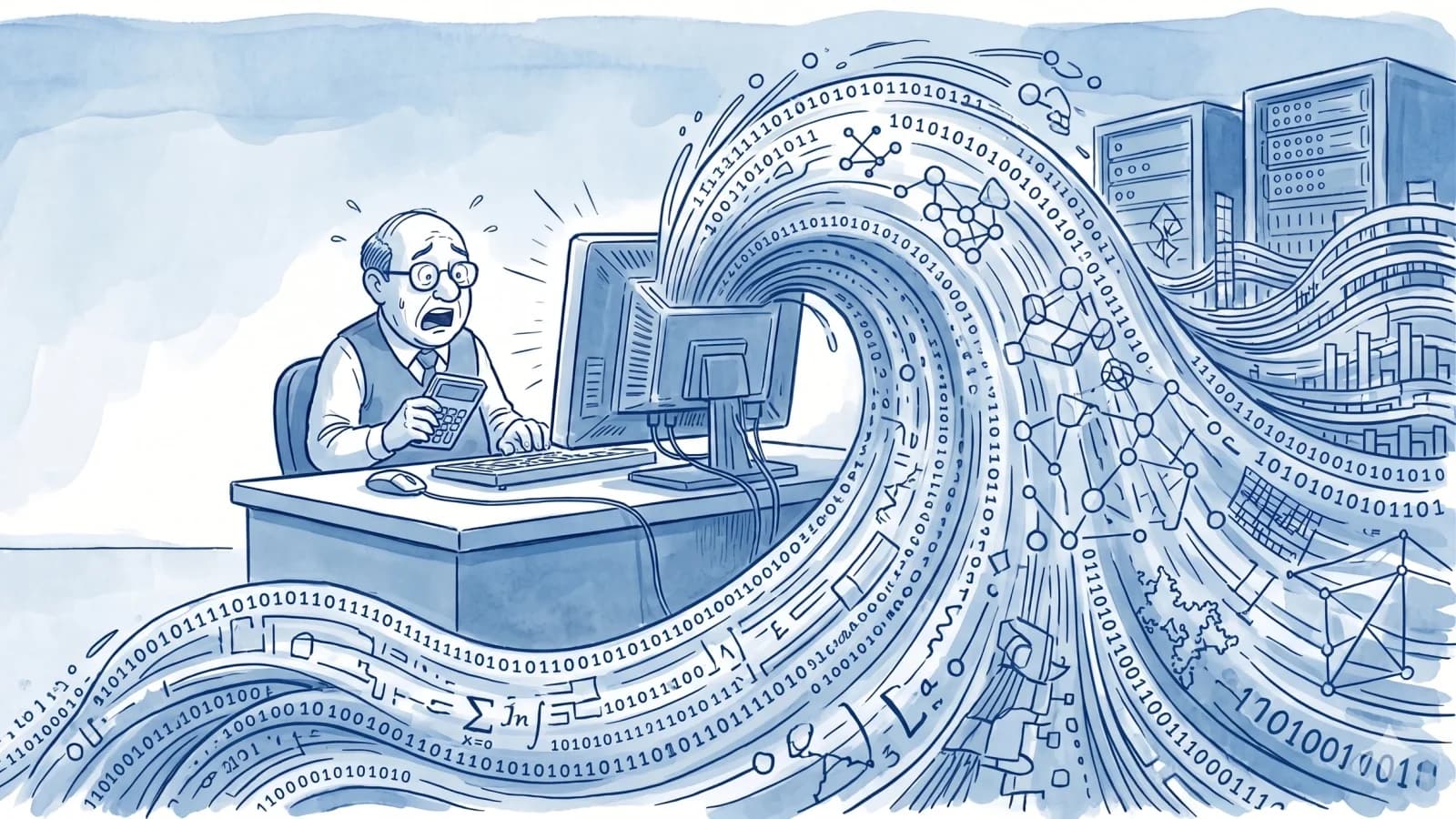
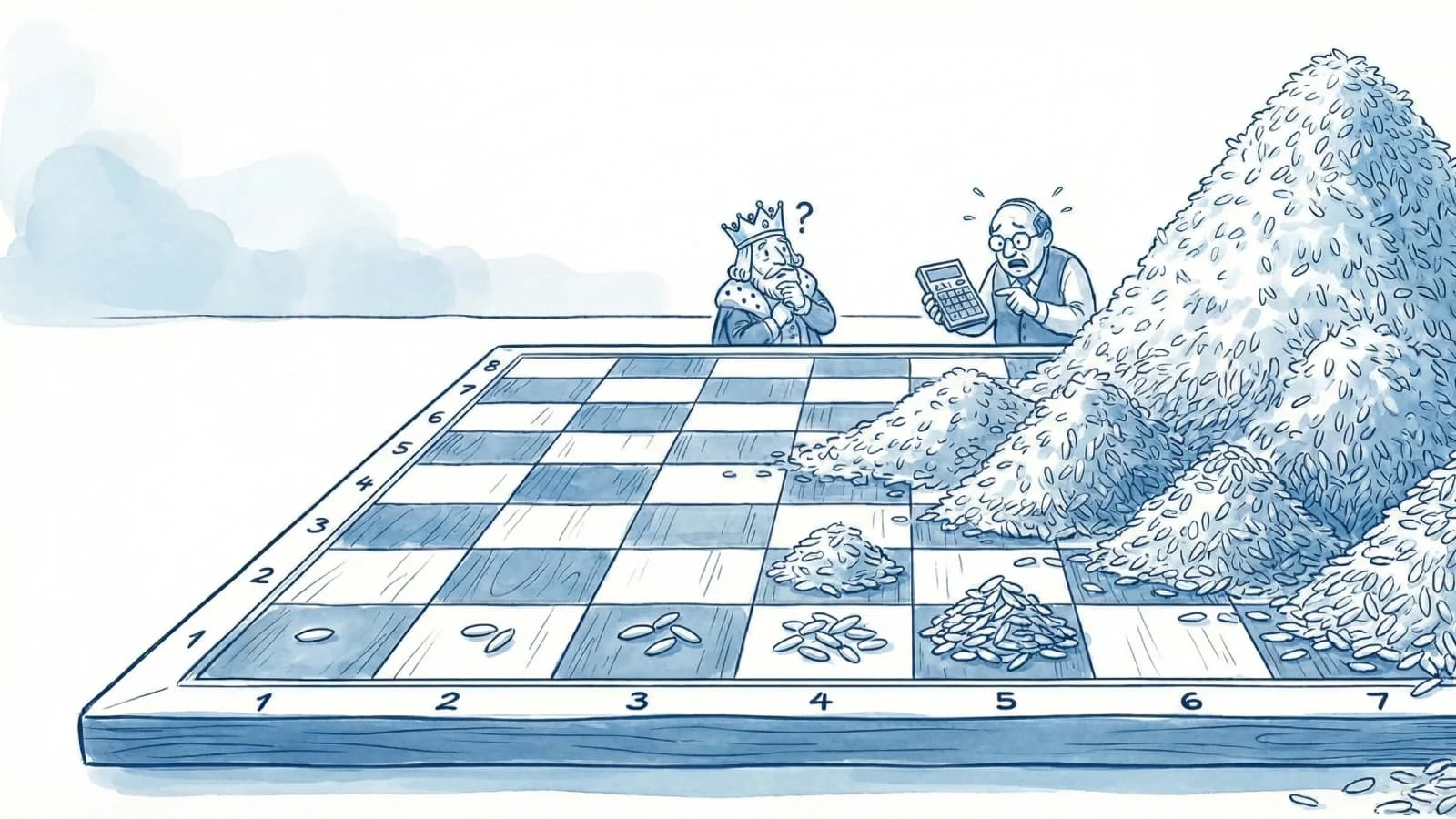
An old story about grains of rice on a chessboard explains why the AI revolution keeps surprising you.
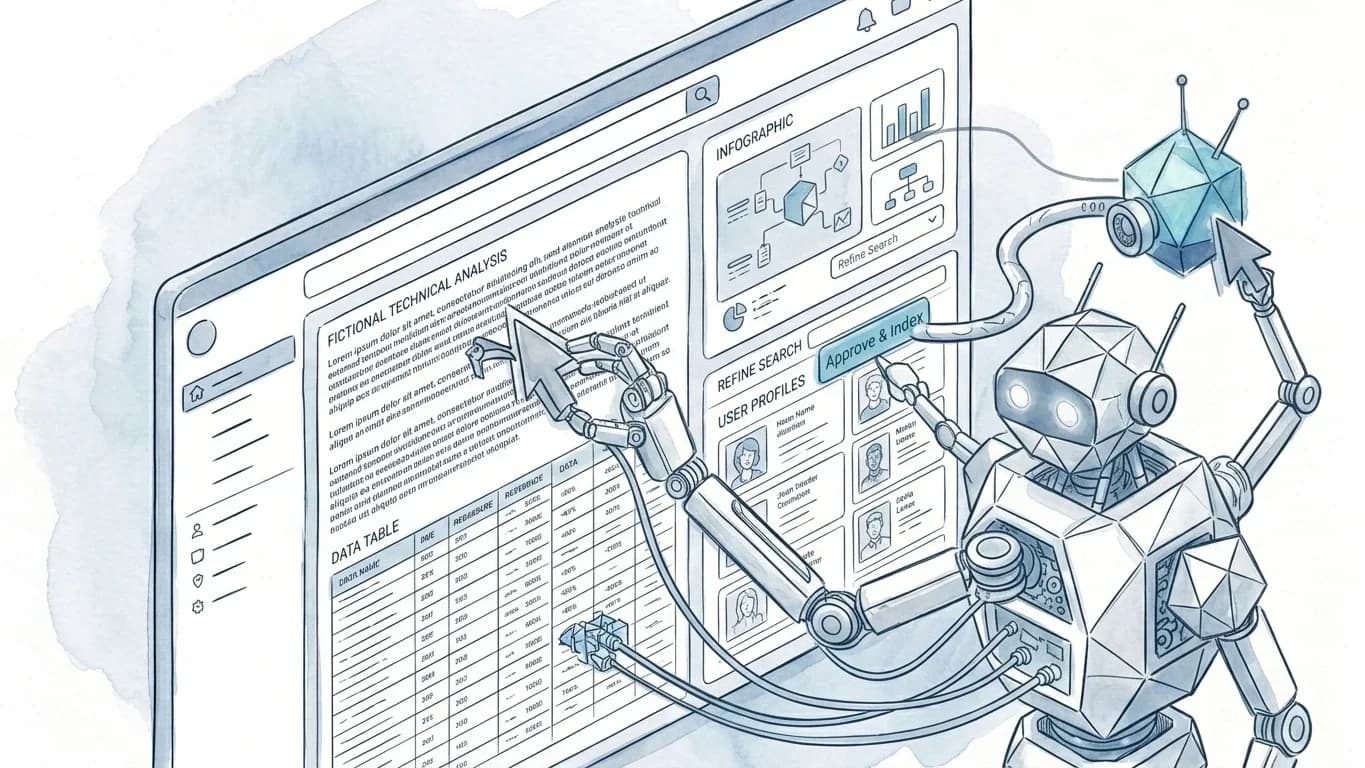
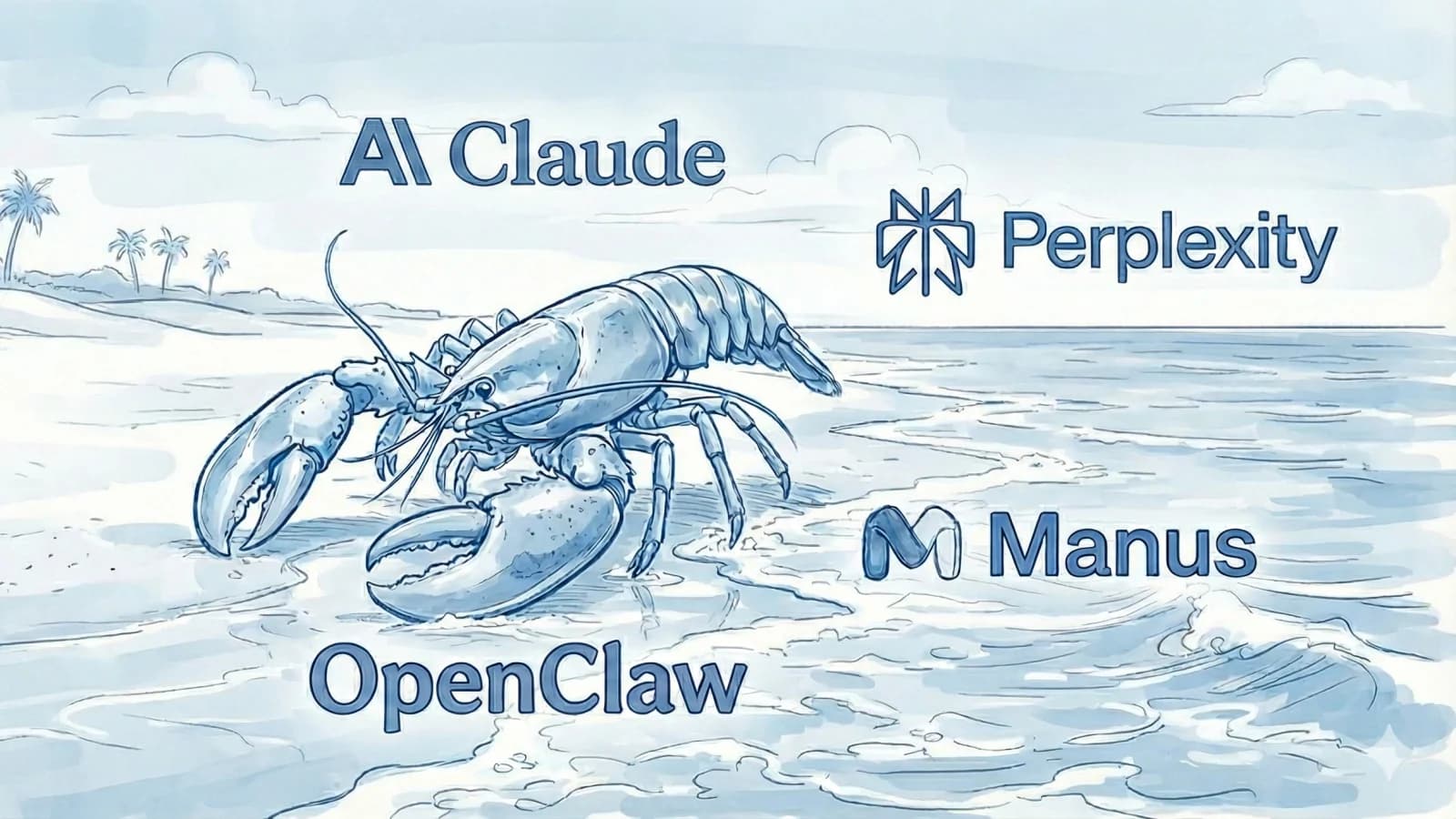
At the end of January 2026, an open-source project by Austrian developer Peter Steinberger went viral. OpenClaw (formerly Clawdbot, then Moltbot after a trademark complaint from Anthropic) allowed millions of people to experience for the first time what a personal AI agent can really do.
New CBS research shows: those who use AI understand best what is coming. And that's exactly why you need to start now.
I was recently doing an analysis that would normally have taken me half a day. To be honest, I had already postponed it a few times because I didn't feel like it. Collecting and exporting data from different sources, merging, research, recognizing patterns, making connections, writing a clear story. Now it took me less than an hour. And the result was better than what I made in half a day.
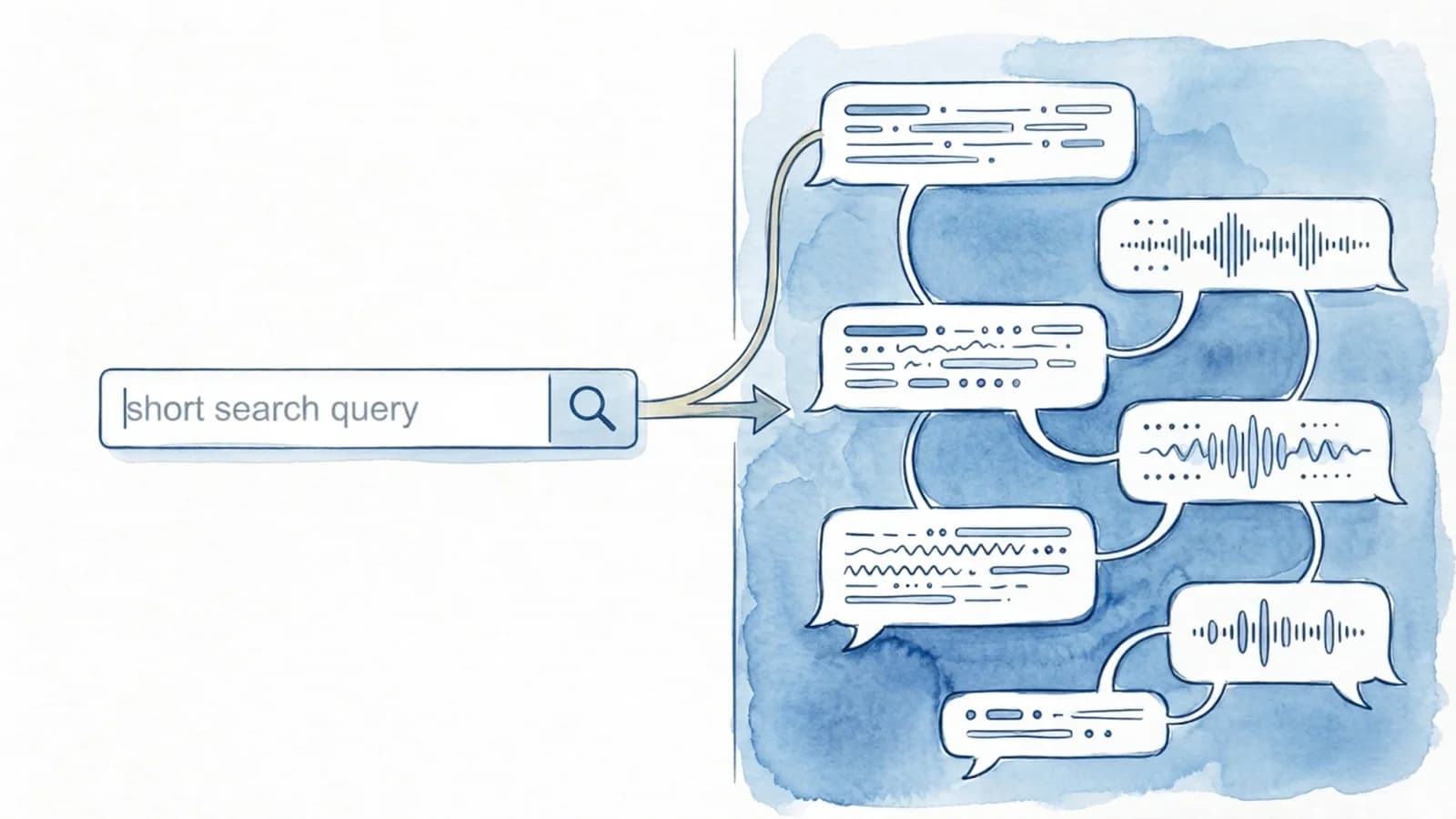
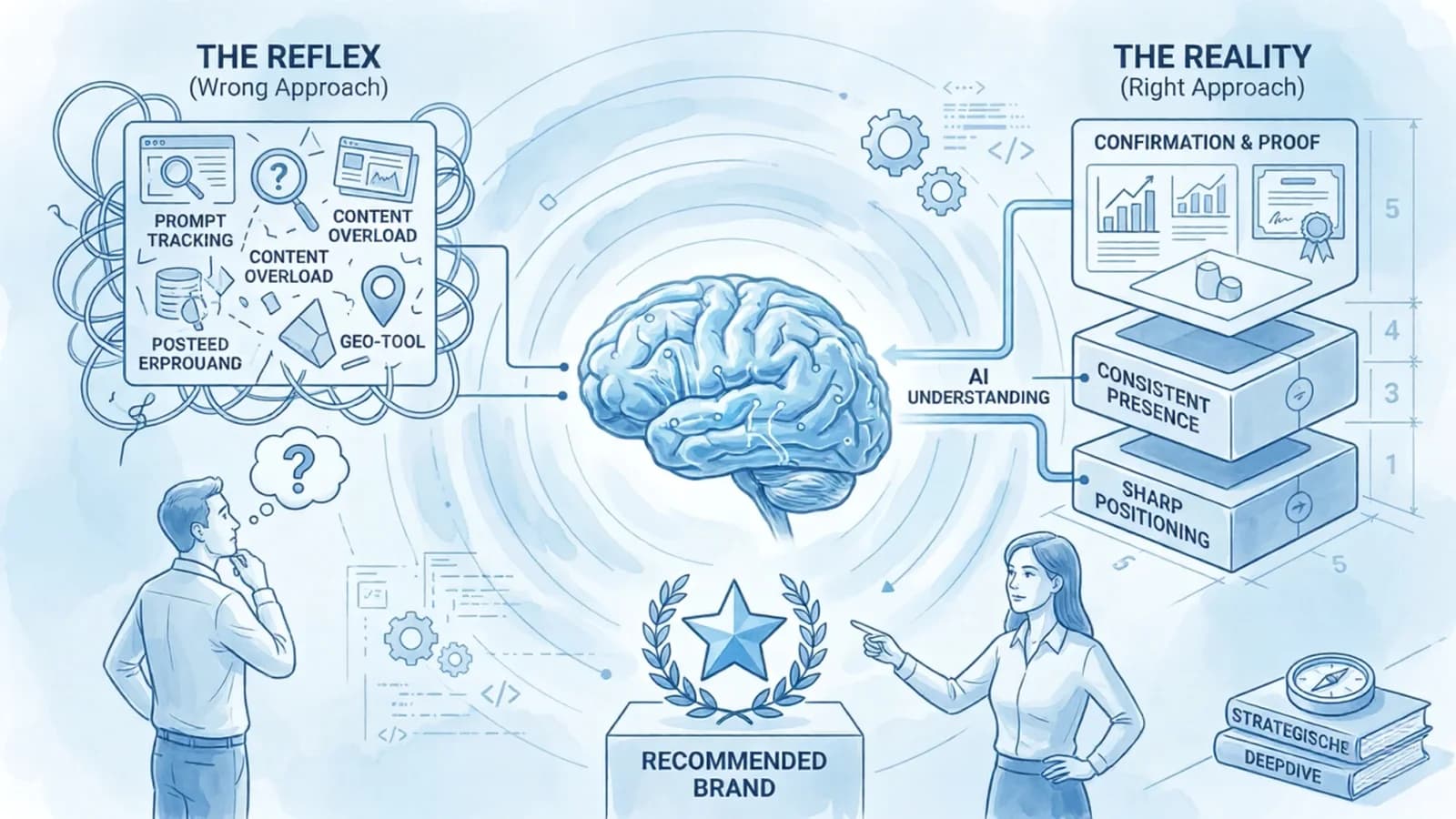
Since ChatGPT and other LLMs (Perplexity, Claude, Gemini) have been introduced, a fierce debate has raged between two camps. Both agree that these platforms are emerging as new search engines, but what really matters is how do you get your brand recommended?
Why curiosity is the most important AI skill. And what questions you should ask yourself now.
You've probably heard someone say, "AI is just a chatbot." Or just the opposite: “AI will soon take over all our work.” Both statements are equally unhelpful. The reality is a lot more nuanced and a lot more interesting.
Since ChatGPT and other AI tools emerged as search platforms, a whole new industry has emerged: Generative Engine Optimization, or GEO (we prefer to call it AI Search). The promise is tempting. People search differently, no longer via Google but on ChatGPT and similar. So you need to track your “AI visibility”. Optimize your content for LLMs. And pay a hefty monthly subscription for it.
Why Claude, with Cowork, Skills and integrations in Excel and PowerPoint, when used properly, fundamentally changes the work you and I do every day and how you can use this too.
How artificial intelligence went from trick to transformation in two hundred years and why the last three years changed everything
In one year, AI went from a useful tool in a chatbot to a system that does my job better than I do on many fronts. This is the story of that tipping point, why it applies to every field, and what we are going to do about it.
New Harvard research shows that AI tools do not make work easier, but intensify it. What does this mean for how we use AI and what can organizations do about it?
From vibe coding to craftsmanship, why this is the year that AI will really deliver value. Also for people who cannot code themselves, but know well what software could do for them.